Disclosure: As an Amazon Associate I earn from qualifying purchases. This post may contain affiliate links at no extra cost to you.
- Step 1: Secure the ergonomic essentials. Your chair and desk prevent 90% of musculoskeletal disorder risks — prioritize a chair with adjustable lumbar support and a desk at 90-degree elbow height.
- Step 2: Fix your tech stack. A 24-inch monitor at arm’s length, a noise-canceling headset, and a dedicated webcam are non-negotiable for professional video calls.
- Step 3: Design for boundaries. Use physical dividers, consistent lighting (500–1,000 lux at your desk), and a “power-down” ritual to separate work from home life.
So you just got that remote job offer. Congratulations!
But now the email hits: “You’re responsible for your own home office setup.”
Don’t panic. After helping hundreds of new remote workers build their spaces — and testing gear from 12 different standing desks — I’ve boiled this down to a repeatable system.
One mistake 90% of new remote workers make? They buy gear before understanding their own body and space. I’ll show you how to avoid that landmine.
Here’s the step-by-step blueprint.
| Step | Time Needed | Key Materials | Estimated Cost |
|---|---|---|---|
| 1. Choose your dedicated space | 2–4 hours | Tape measure, room divider (optional) | $0–$150 |
| 2. Buy the ergonomic trifecta | 3–7 days (shipping) | Ergonomic chair, standing desk, monitor arm | $400–$1,200 |
| 3. Set up your tech & peripherals | 1–2 hours | Webcam, headset, noise-canceling headphones | $150–$500 |
| 4. Optimize lighting & acoustics | 1–3 hours | Desk lamp, rug, acoustic panels (if needed) | $50–$200 |
How Do I Find the Perfect Dedicated Workspace in My Home?
The single most important decision is where you put your desk. It’s not about square footage — it’s about separation.
Your dedicated space must be a zone you only associate with work. A corner of the living room can work, but the end of your bed is a trap.
The difference between a space with a physical boundary (a folding screen or even a bookshelf) and one without is night and day. A 2024 Purdue University guide on remote work home office setup confirms: “separate your workspace from the rest of your home” as the #1 rule.
What Is the Best Ergonomic Chair for Preventing %%WPAIAFF_3%% Syndrome and RSI?
Now here’s where the science gets real.
An ergonomic chair with proper lumbar support and adjustable armrests directly prevents carpal tunnel syndrome and RSI. These aren’t just buzzwords. A poor chair forces your shoulders to hunch, your wrists to bend, and your neck to crane forward — classic triggers for carpal tunnel syndrome.
I’ll be blunt: a $150 gaming chair from Amazon will not cut it. A proper ergonomic chair adjusts in at least 5 places: seat height, seat depth, armrest height/width, lumbar support depth, and backrest tilt.
Look for a chair with a waterfall seat edge (reduces pressure behind your knees) and a breathable mesh back. Consider the Best Ergonomic Office Setup for Home Workers for tested recommendations.
How Does a Standing Desk can help reduce the strain associated with Musculoskeletal Disorder?
Stop sitting all day. It’s not just a wellness trend.
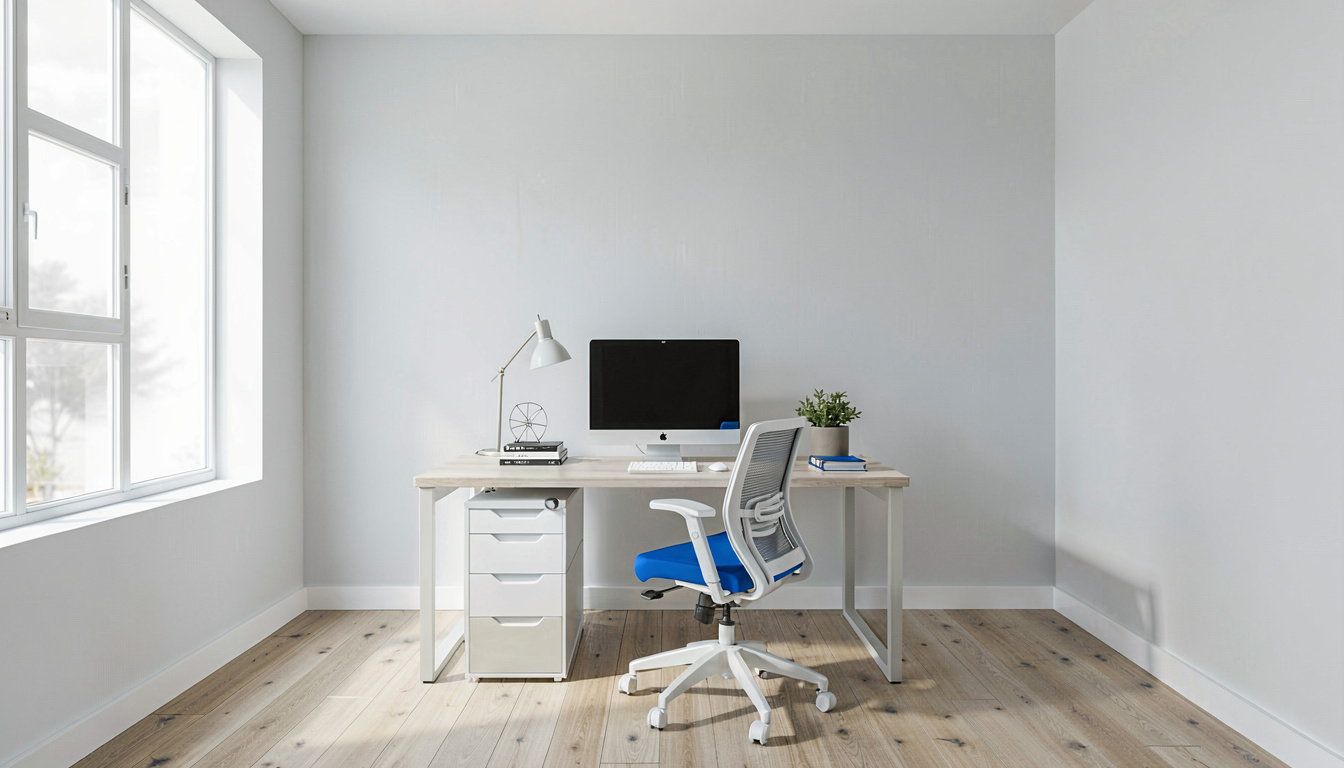
A standing desk alternates between sitting and standing positions to prevent musculoskeletal disorder by reducing static loading on your spine. Common practice is alternating postures every 30–60 minutes. A standing desk makes that practical.
An electric dual-motor standing desk is the gold standard (adjustable between 25 and 50 inches). Pair it with an anti-fatigue mat (I recommend one at least 3/4-inch thick with a beveled edge) to reduce leg fatigue. The sudden shift from seated to standing shocks your body — the mat cushions your knees and lower back.
A monitor arm is the unsung hero here. It lets you reposition your screen with one hand, which is essential when you switch from sitting to standing. Keep the top bezel at eye level.
What Tech Gear Do I Actually Need for Professional Remote Work?
Most guides list 20+ items. I’ll give you the 5 that matter.
The must-have tech stack for a remote worker includes: a 24–27 inch monitor (or laptop plus external), a dedicated webcam (1080p minimum), a noise-canceling headset, a USB-A hub, and a decent desk lamp.
Why not your laptop’s camera? Because laptop screens sit too low, creating a double chin angle that also strains your neck. Raise your laptop on a stand, use an external keyboard and mouse, and connect a monitor.
For audio, noise-canceling headphones are non-negotiable. Open offices (even virtual ones) are distracting — they block out your partner’s Zoom call, the dog barking, and the delivery truck. I use a pair with a boom microphone for crystal-clear call quality.
How Do I Set Up Proper Lighting and Acoustics for Video Calls?
You’ve seen that colleague who looks like a ghost on camera. Don’t be that person.
Proper lighting for video calls requires a key light (500–1,000 lux) positioned directly in front of you, not from a window behind. A simple ring light or a softbox lamp on your desk works perfectly. Avoid overhead fluorescent lights — they cast harsh shadows under your eyes.
Acoustically, hard walls cause echoes. A rug, a bookshelf with books, or even a blanket on the wall behind your desk absorbs sound. If your space is a boxy room, add an acoustic panel at the reflection point (where you see the speaker’s image when you clap). This is why Best Home Office Essentials Bundle for Remote Workers often includes a small rug and a desk lamp.
What Are the Common Mistakes New Remote Workers Make?
I’ve made every single one of these. Learn from my pain.
Mistake 1: Buying the desk and chair separately without height coordination.
The most expensive mistake. You buy an inexpensive chair that can’t rise high enough to match your standing desk. Your elbows end up 4 inches too high. Within a week, you’ll feel pain in your shoulders and wrists — early warning signs of RSI. Measure the seat height range of your chair against the minimum and maximum height of your desk before buying.
Mistake 2: Forgetting cable management.
Cables are the silent killer of productivity. A tangled mess under your desk makes you less likely to stand up, creates trip hazards, and wears out your gear faster. Use a cable tray mounted under your desk, velcro ties for lengths, and a power strip screwed to the underside. This takes 30 minutes and is the best $20 you’ll spend.
Mistake 3: Not setting a “power-down” ritual.
You work. You stop. But your brain doesn’t. The physical boundary of a dedicated space must be paired with a mental one. Close your laptop, turn off your monitor, and physically walk away from your desk. If you’re at a standing desk, lower it all the way down. This physically triggers the “work ends here” signal.
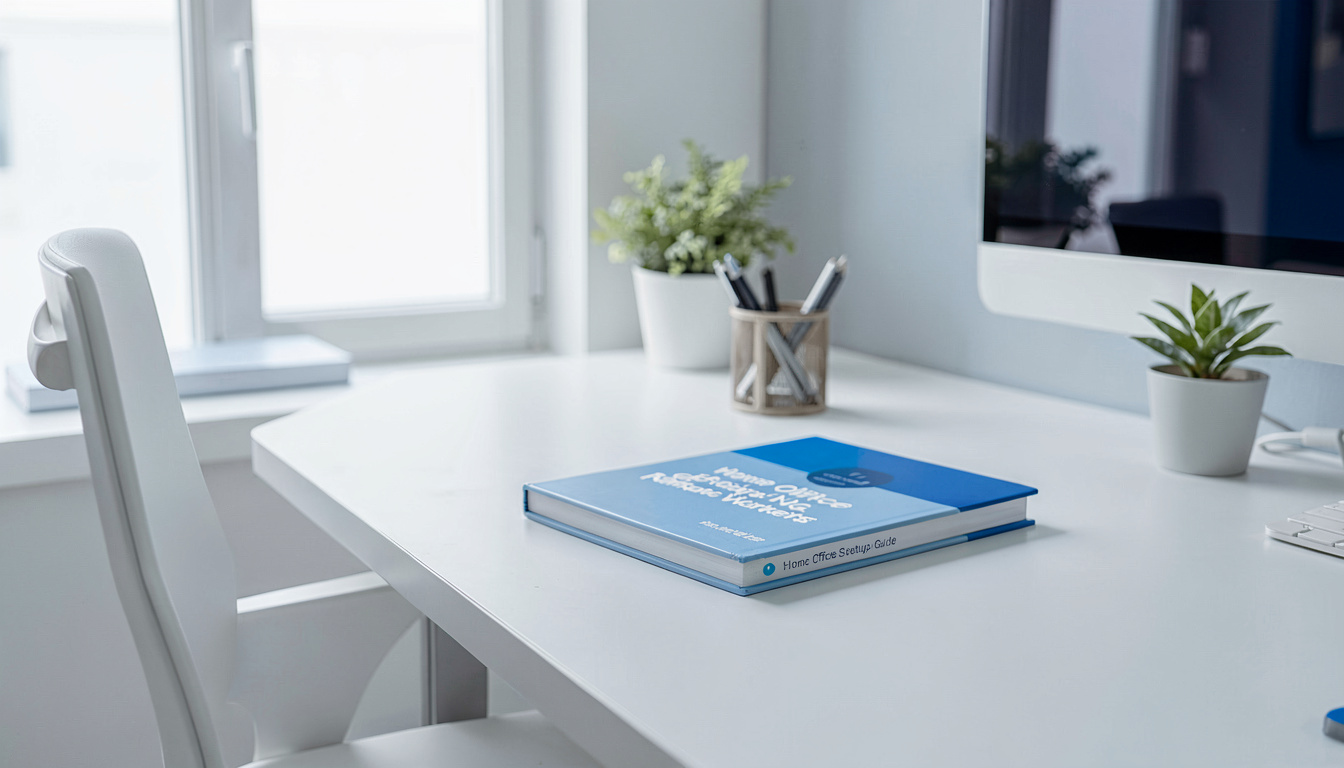
Mistake 4: Ignoring the desk surface material.
Laminate desks look nice but conduct sound — every keystroke and mouse click echoes through the room. A solid wood or butcher-block desk surface damps noise better than any aftermarket pad. If you already have a laminate desk, a thick felt desk mat (3mm+) absorbs most of that keyclick sound.
Mistake 5: Overlooking the lighting switch.
Two types of lighting you need: task lighting for focused work (500 lux minimum) and ambient lighting for relaxation. A dimmer switch on your desk lamp costs $15 and changes everything. I use a warm 2700K bulb in the evening and a cool 4000K bulb for daytime focus. Your brain’s circadian rhythm responds to light temperature.
What Expert Advice Should I Follow for a Healthy Home Office?
The research is clear: your home office setup isn’t just about comfort — it’s about preventing long-term damage.
Why are OSHA’s guidance relevant to you? Because the same principles apply at home. They’ve studied what works for 50 years. The basics: neutral posture, frequent movement, adjustable equipment.
Does the American with Disabilities Act (ADA) Apply to My Home Office?
Technically, if you’re an employee of a company with 15+ workers, your employer is required to provide reasonable accommodations — even in your home. Many employers will provide a budget for an ergonomic chair or standing desk. Ask your HR department.
Frequently Asked Questions
How much should I budget for a home office setup?
A functional, ergonomic setup starts at around $500 and goes up to $1,500 for premium gear. The minimum is a good chair ($300–$600), a desk ($200–$500), and a basic external monitor ($150–$300). You do not need to buy everything at once — start with the chair and desk.
Do I need a standing desk to be healthy?
No, but it helps. If you can’t stand, a good ergonomic chair with proper posture (sit at 90-90-90 degrees — elbows, hips, and knees at 90 degrees) is sufficient. A standing desk is a tool for movement, not a cure. If you sit for 8 hours straight in a standing desk, you’ll still develop problems.
What is the best ergonomic chair for someone under 5’4″?
Look for a chair with a seat depth of 16–17 inches (not standard 18–20) and a maximum seat height of 18 inches. The “Aeron Size A” or typical “petite” models work well. Measure your thighs from the back of your knee to the front of your chair seat — you need 2–3 inches of clearance.
Can I use my laptop’s built-in monitor instead of an external one?
You can, but I don’t recommend it for all-day use. It forces you to look down, straining your neck. If you can’t afford a monitor, at least raise your laptop on a stack of books or a stand so the top bezel is at eye level. This reduces forward head posture by 30–40%.
How do I connect multiple monitors to my laptop?
Use a USB-C hub or a docking station that supports dual HDMI or DisplayPort. Most modern laptops (2022+) support two external monitors natively. Check your laptop’s display specifications first — some budget models only support one external display.
Related Reading
- Best Ergonomic Office Setup for Home Workers
- Best Home Office Essentials Bundle for Remote Workers
- Best Whiteboards for Home Office Wall
What This Gear Does Not Do Well
However, an ergonomic chair alone cannot prevent carpal tunnel and repetitive strain injuries if you overlook the need for regular movement and adjustable desk heights, and even carefully placed acoustic panels will struggle to mute sudden household sounds like doorbells or barking dogs during critical video calls.
Last updated: May 04, 2026
4 thoughts on “Home Office Setup Guide for New Remote Workers”